Unlocking Vintage Charm with Gilded Cardboards Vol. 2
In the world of digital design, we often spend so much time hunting for the perfect typeface or vector icon that we forget the power of a truly evocative background. Surface texture is the unsung hero of design—it sets the mood, adds depth, and anchors your content in a specific aesthetic reality. If your current projects feel a bit flat or lack that tangible, nostalgic warmth, it is time to look at the foundation upon which you are building. Enter the Gilded Cardboards Vol. 2 | Collection, a set of digital papers designed to bridge the gap between digital precision and organic, tactile charm.
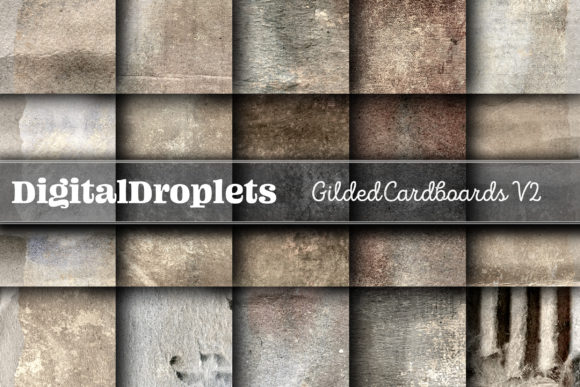
At first glance, this collection might look like simple brown paper, but the reality is far more nuanced. These are ten unique 12x12 backgrounds that have been meticulously blended from actual cardboard textures and shabby, grungy overlays. The result is a "premium font" equivalent for backgrounds—a design asset that feels luxurious yet distressed. Each paper features a unique border, framing your work with an intentional, hand-crafted look that mimics the edges of old photo albums or vintage ephemera. The "gilded" aspect adds a subtle layer of sophistication, suggesting that beneath the grime and age, there is something valuable and timeless.
The Personality of the Textures
Understanding the personality of the Gilded Cardboards Vol. 2 | Collection is key to using it effectively. This isn't just about a color palette; it is about a specific "brand identity" for your project. The visual style here is distinctly vintage, leaning heavily into the aesthetics of the Victorian era and early 20th-century industrial design. It speaks of history, durability, and authenticity.
For a designer, these textures offer a complex visual hierarchy. Because the papers have a high degree of detail—grain, scratches, and color variations—they provide a rich backdrop that doesn't feel empty. However, this complexity requires a thoughtful approach to readability. When using such detailed backgrounds, you are engaging in a balancing act. The texture needs to support the content, not compete with it. This collection manages that balance by keeping the tonal range somewhat muted, allowing lighter elements or darker typography to stand out against the noise.
Practical Applications in Modern Design
You might be wondering how a set of vintage cardboard papers fits into modern, fast-paced digital environments. The answer lies in the current trend of "anti-design" and the resurgence of analog aesthetics in digital spaces. We are seeing a massive shift in web design and social media graphics where users crave authenticity over sterile perfection.
Here is how you can leverage the Gilded Cardboards Vol. 2 | Collection across various domains:
- Editorial Design and Junk Journals: This is the most obvious use case. If you are creating digital or printable junk journals, these papers are essential. They provide the perfect "base layer" for collages. You can layer digital washi tape, vintage stamps, and handwritten script fonts over these backgrounds to create spreads that look like they were assembled in a physical studio.
- Packaging Design: For small business owners selling artisanal goods—think coffee roasters, candle makers, or craft breweries—these textures translate beautifully into packaging mockups. Using a cardboard texture as the background for a label creates an immediate association with hand-crafted, organic quality.
- Photography Backdrops: Photographers, particularly those shooting flat lays for Instagram or product catalogs, often struggle with finding surfaces that aren't distracting but still have character. These high-resolution (300dpi) JPEG files can be used as digital backdrops, instantly transforming a simple product shot into a styled scene with vintage flair.
- Web Design and Blog Graphics: While you wouldn't use a heavy texture for the main body text of a website (which would kill readability), these papers work wonderfully for sidebars, footers, or hero section overlays. They add a tactile feel to a flat screen, making the user experience feel more immersive.
Typography Pairings and Visual Hierarchy
The success of using the Gilded Cardboards Vol. 2 | Collection often hinges on your typography choices. Because the background is "shabby" and "grungy," your text needs to offer a contrast in style—or a deliberate cohesion—to maintain professionalism.
The Serif Approach: Pairing these textures with a classic serif font creates a timeless, editorial look. Think of high-end fashion magazines or historical fiction book covers. The serifs provide the elegance that matches the "gilded" aspect of the paper, while the texture provides the age.
The Handwritten Approach: For a more personal touch, such as in scrapbooking or greeting cards, a handwritten font is a natural companion. The irregularity of the handwriting mirrors the imperfections of the cardboard texture, creating a cohesive, human-centric design.
The Sans Serif Contrast: If you want to modernize the vintage texture, pair it with a bold, geometric sans serif. This high-contrast pairing creates a "vintage-modern" aesthetic that is very popular in trendy branding and apparel design. The clean lines of the sans serif cut through the grunge of the background, ensuring high readability and a contemporary edge.
Evaluating Fit and Commercial Use
Before integrating the Gilded Cardboards Vol. 2 | Collection into your workflow, it is vital to evaluate the project fit. As with any premium design asset, context is everything. These papers are not suitable for corporate banking reports or medical websites where sterility and trust are paramount. They are, however, perfect for projects that value emotion, nostalgia, and creativity.
From a technical standpoint, the inclusion of 10 high-resolution files at 300dpi ensures that your work remains professional across both digital and print mediums. You can print these backgrounds for physical wall art, invitations, or gift wrap without worrying about pixelation—a common issue with lower-quality freebies found online.
It is also worth noting that while this set provides 10 unique variations, the listing mentions they are part of a larger 20-paper collection. This is an important consideration for brand consistency. If you are working on a large-scale project—like a long-running blog series or a comprehensive brand identity system—you may find that 10 papers become repetitive. However, for standalone projects, social media campaigns, or specific seasonal cards, ten variations offer plenty of variety to keep the visual interest alive without overwhelming the viewer.
Final Thoughts on Texture and Storytelling
Ultimately, the Gilded Cardboards Vol. 2 | Collection is a storytelling tool. In an era of pristine digital perfection, these textures tell a story of wear, tear, and survival. They suggest that the content placed upon them has history and weight. Whether you are a scrapbooker preserving family memories, a marketer designing a "rustic" campaign, or a photographer looking for the perfect grunge overlay, these papers provide a solid, versatile foundation. By respecting the texture's complexity and pairing it with the right typography, you can elevate your projects from simple layouts to immersive visual experiences.